About Mirasol
Mirasol Agrivoltaic is a Colorado 501(c)(3) nonprofit developing agrivoltaic community solar projects in the North Fork Valley — proving that solar and working farms can share the same land while expanding access to renewable energy in a coal-transition region.
Two entities, one project
Donations to Mirasol Agrivoltaic support the nonprofit's public-benefit work and are tax-deductible.
Mirasol Agrivoltaic
Owns and operates the 1 MW agrivoltaic solar installation. Holds the interconnection agreement with local utility, DMEA, and the Power Purchase Agreement. Receives power purchase proceeds and disperses energy cost savings to subscribers — with participation weighted toward low- and moderate-income farms, farmworker households, and rural businesses. Also coordinates applied research, educational programming, and the CSU Rogers Mesa research partnership.
Thistle Whistle Farm
A diversified 17-acre working farm in Hotchkiss. Mirasol leases five acres from Thistle Whistle Farm under a long-term agreement for the agrivoltaic installation. Thistle Whistle team will maintain active crop production beneath and around the solar array, making the farm a central demonstration site for agrivoltaic research and education in the North Fork Valley.

Photo: Lauren Storer
The people behind the project
Staff
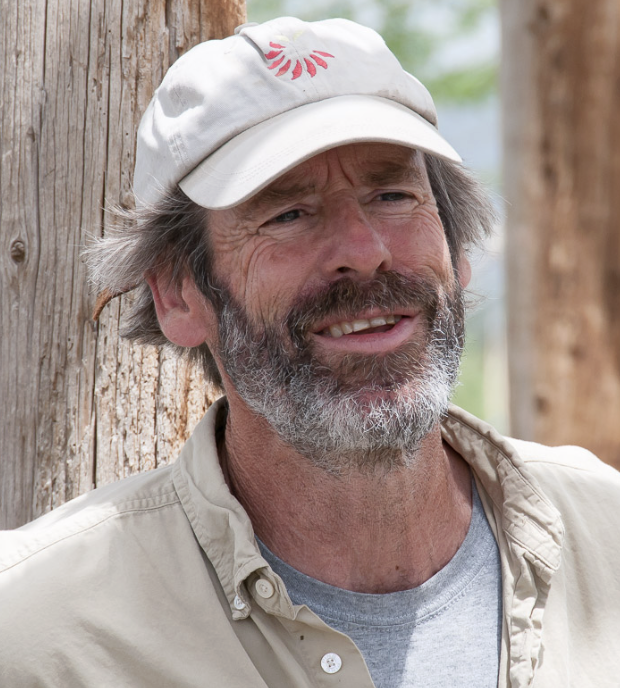
Mark has been running Thistle Whistle Farm for the past 21 years, combining market farming and education on a 16-acre diversified family farm. Thistle Whistle aspires to grow the best tasting food it can manage, focusing on crop diversity, exceptional flavor, and culturally meaningful varieties, while providing a unique farm experience to visitors and staff. The farm includes vegetables, culinary and medicinal herbs, fruit, dairy goats, poultry, and bees, and is developing a 5-acre community agrivoltaic solar array. Before founding Thistle Whistle, Mark farmed in Pakistan, California, Montana, and Massachusetts.
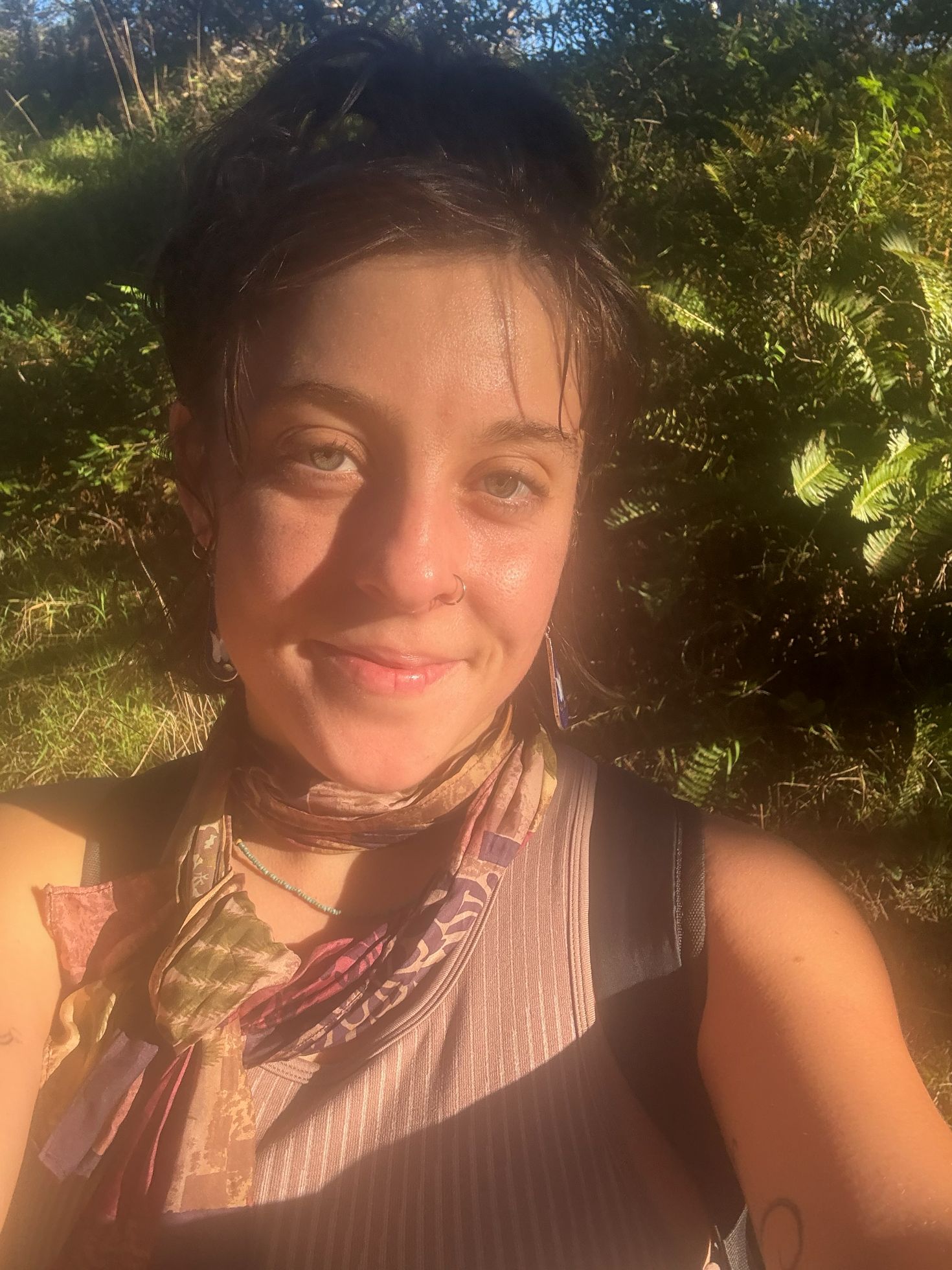
Angie Fike has spent the past three seasons working and growing at Thistle Whistle Farm in the North Fork Valley, where she now serves as Administrative Director of Mirasol Agrivoltaic. Her work moves between watering seedlings and harvesting crops, to managing the CSA, hosting potlucks, and helping shape a project that brings together food, sustainable energy, and community. Originally from the Bay Area, Angie has worked in California and Colorado in environmental justice, affordable housing, food access, and rural health projects.
Project consultants
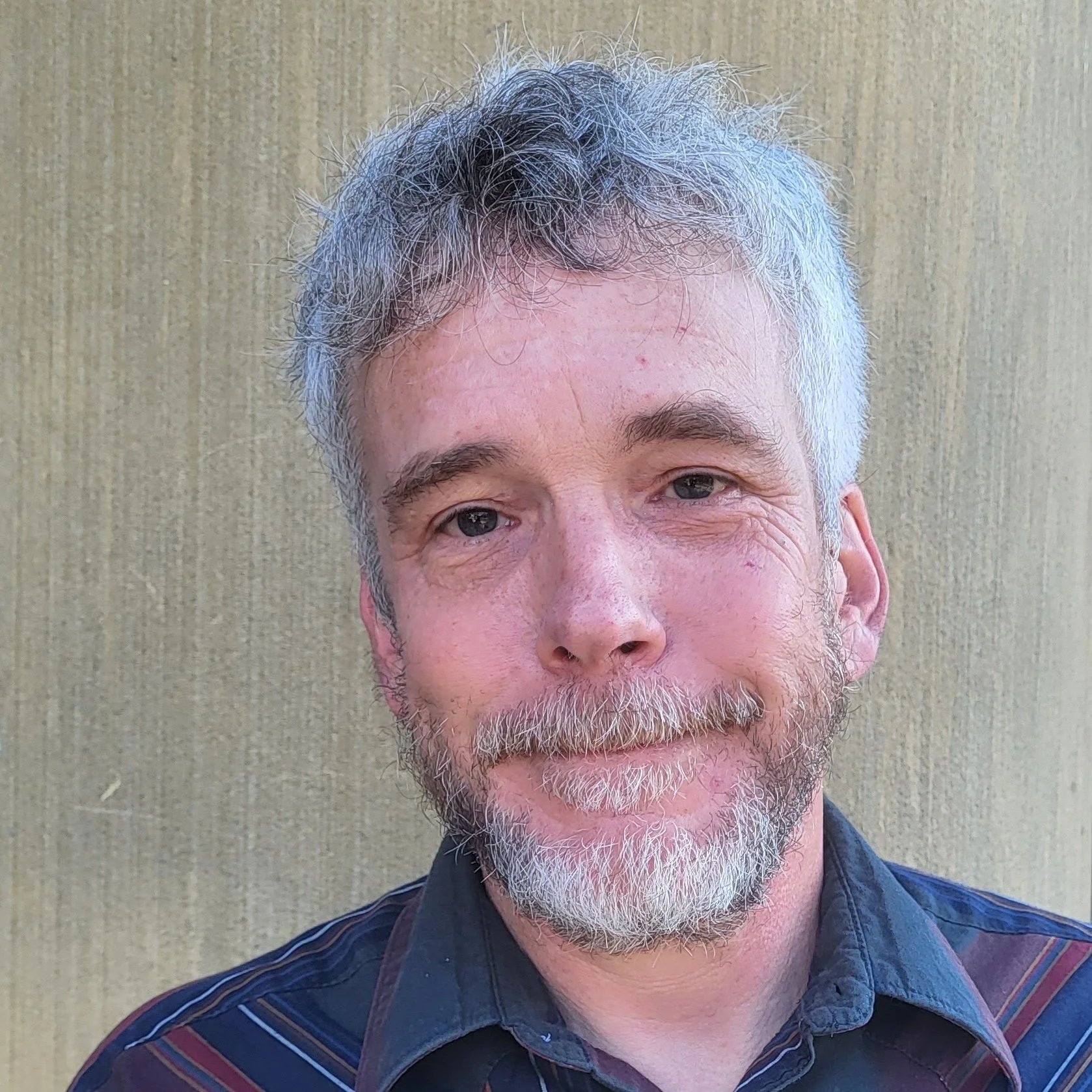
Pete is a longtime conservation, climate, and rural leader based in Delta County. As director of Colorado Farm and Food Alliance, he served as captain for the winning Community Power Accelerator Prize team that helped propel the Thistle Whistle Community Solar project forward. He now works through his consultancy, Fulcrum Rural Solutions LLC, where he remains committed to supporting Mirasol and this project's success.

Jill Cliburn is a technical advisor assigned through the National Community Solar Partnership+ at Lawrence Berkeley National Lab. She has spent her career focused on best practices and innovation at the nexus between utilities and the communities they serve — spanning renewables at every scale, storage, load flexibility, and energy efficiency. Jill helped pioneer community solar nationwide, with particular focus on rural communities. Jill is a former board member of Solar Energy International in Paonia and a current Fellow of the American Solar Energy Society.
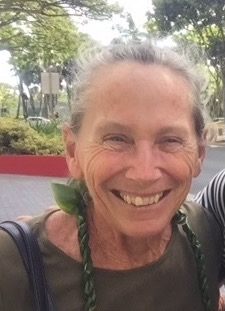
Kay (Kathleen) Howe has lived in the North Fork Valley for six years. She spent many years living in Southern Utah and calls the Southwest home. Kay spent many years as a researcher and educator in Hawaiʻi — a scientist, teacher, gardener, and beekeeper. She holds a B.A. in place-based education from Antioch University and an M.S. in Tropical Conservation and Environmental Science from the University of Hawaiʻi, and has been involved with the Mirasol Agrivoltaic project since August 2024.
Board of directors
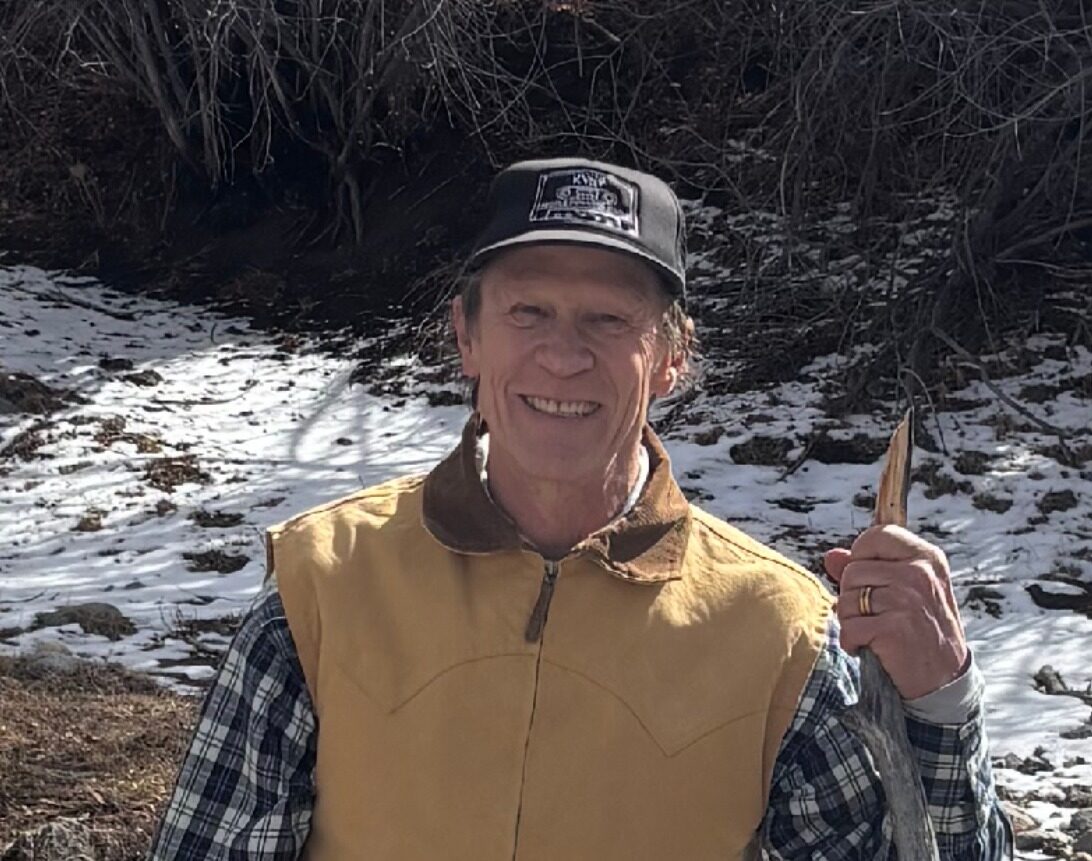
A cidermaker and orchardist with 30 years of nonprofit experience in the arts, land and water conservation, and land use planning. Jay joined the Mirasol board out of conviction that small family farmers are an endangered species who need new approaches — ones that meld agriculture, solar energy, education, and research.
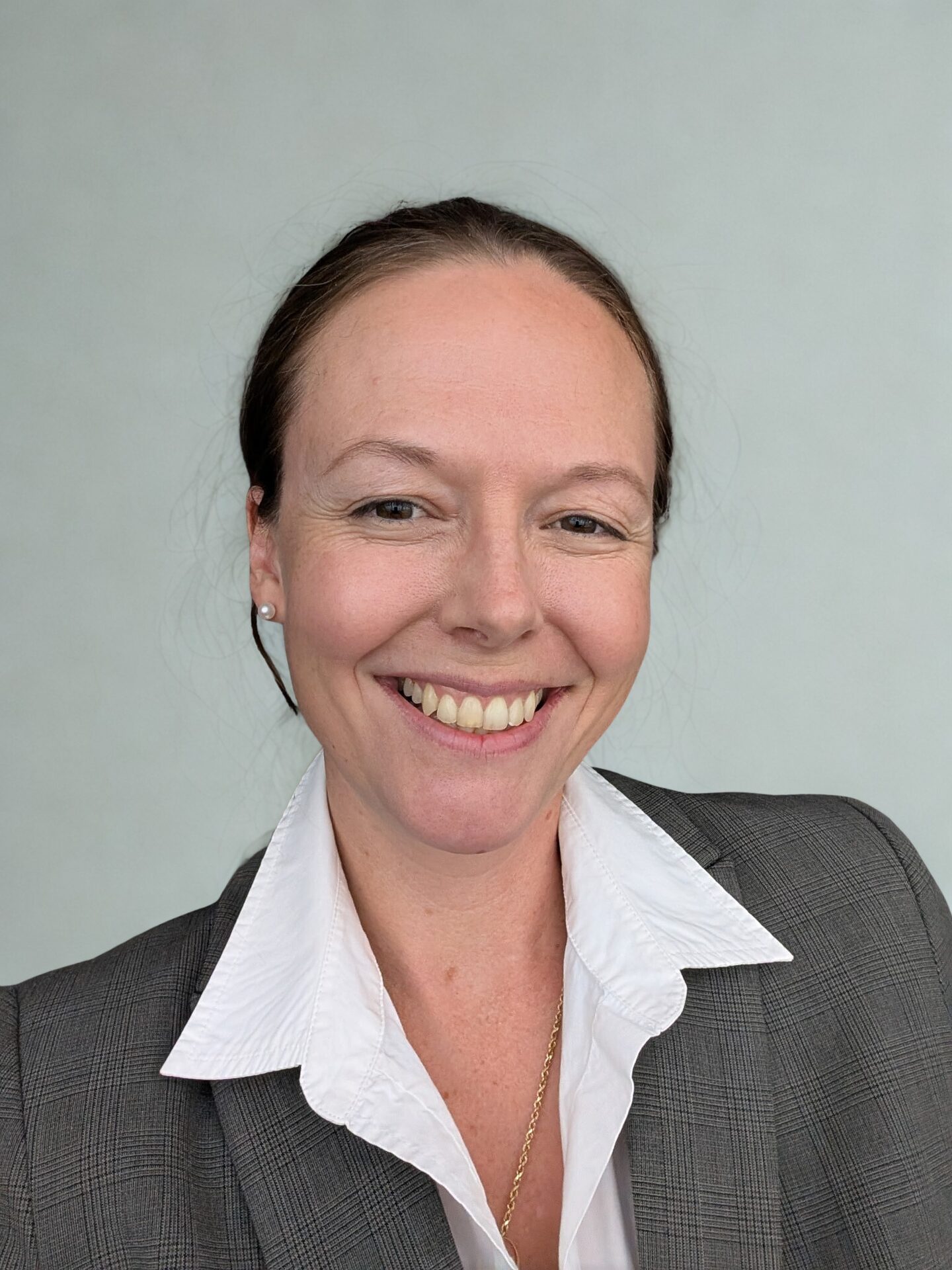
A business and investment analyst with a background in journalism, marketing, and PR — and deep roots in farm country. A Colorado resident for 15 years, Brandy brings a whole-systems perspective and strong opinions about good soil. Her board work with The Learning Council reflects the same orientation: farm and food literacy as a foundation for resilient communities.
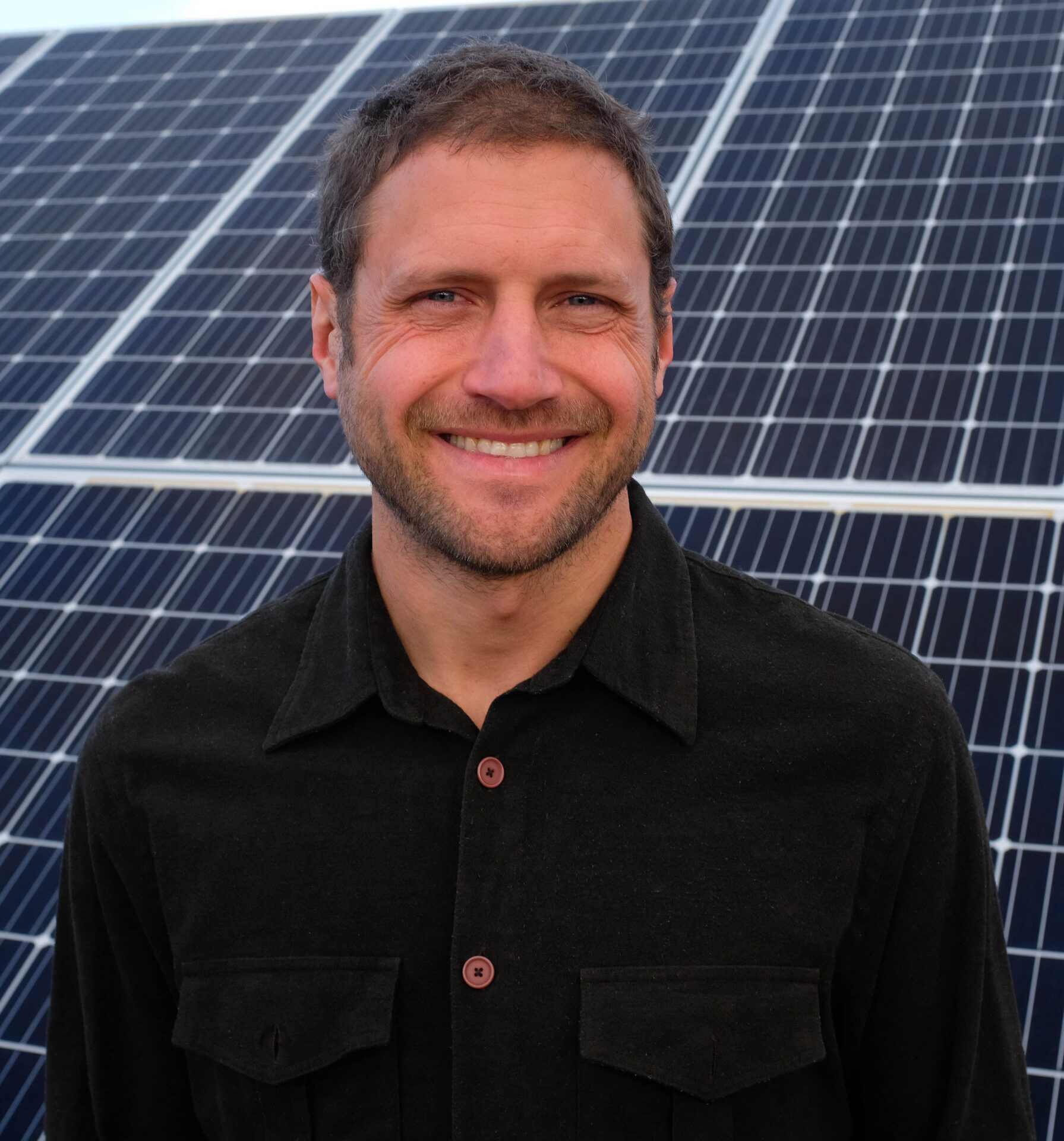
A solar industry professional since 2015 with experience spanning construction, design, and project management from residential to utility-scale across the Americas. Now a Senior Consultant at Solar Tech Collective, Alex focuses on codes and standards for solar, storage, and EV infrastructure. He is a NABCEP PV Installation Professional, PMI Project Management Professional, and CELI fellow.
Advancing renewable energy solutions that enhance agricultural productivity and strengthen community resilience.
Our work encompasses education, applied research, community engagement, and direct project development — with an eye toward building models that other rural regions can replicate.
The Thistle Whistle Community Solar project is our first installation — and the proof of concept for everything that follows.
What Mirasol does
-
▶
EducationPublic programming, field days, and farmer training on agrivoltaic practices and community solar models
-
▶
Applied researchPartnership with CSU Rogers Mesa to study crop performance, water use, and soil health under agrivoltaic conditions
-
▶
Community engagementBuilding the subscriber program, coordinating with local stakeholders, and ensuring benefits reach low- and moderate-income households
-
▶
Project replicationDocumenting and disseminating best practices so other rural communities can develop their own agrivoltaic models
Solar and farming, sharing the same land
Agrivoltaics integrates solar panels with active agricultural production. Rather than replacing farmland with a solar array, an agrivoltaic system is designed so that crops grow beneath and around the panels — both uses happening simultaneously on the same acres.
In semi-arid climates like Western Colorado, the partial shade from solar panels can actually benefit certain crops — reducing heat stress, slowing soil moisture loss, and in some cases increasing yields. This is particularly significant in a region defined by water constraints and variable growing conditions.
Why it matters here
-
◆
Farmland stays in production — no displacement, no conversion to monoculture solar
-
◆
Partial shading may reduce crop water demand by 15–30% in semi-arid conditions
-
◆
Reduces heat stress on temperature-sensitive specialty crops common in the North Fork Valley
-
◆
Soil health, pollinator habitat, and wildlife corridors can be supported under the array
-
◆
Generates new income for farms through energy production without sacrificing the land’s agricultural value
